Switching auto insurance can feel like arranging a small move. There is paperwork, timing, and the possibility of brief gaps that carry real risk. Done well, the swap brings better rates, coverage more aligned with your needs, or a partner who handles claims and questions promptly. Done poorly, a missed cancellation or an overlapping policy can cost money or leave you unprotected at a critical moment. I’ll walk through practical steps, real trade-offs, and examples from working with agents — including what to Car insurance rebeccahovater.com expect when you search for an insurance agency, whether you type "Insurance agency near me" or call a local State Farm agent.
Why switch at all
People change providers for predictable reasons: a price increase after a claim, a move to a new state or ZIP code, a change in vehicle use, a desire for bundling with home insurance, or dissatisfaction with claim handling. One client I worked with switched after their insurer raised renewal premiums three years in a row after a single minor claim. They moved to an agency that could package car insurance and home insurance together, saving them money and consolidating claims through one contact.
Not all reasons point to an immediate switch. If you are mid-policy and happy with your coverages, weigh the remaining time and any cancellation fees against potential savings. If you expect to be claim-free and have a low-cost policy, switching solely for a small percentage reduction in premium may not be worth the administrative effort. Conversely, if the new policy materially improves coverage — for example adding rental reimbursement, better uninsured motorist limits, or gap coverage for a financed car — switching can be the right move even with a few months left on your current policy.
How an insurance agency simplifies the process
An agent acts as an intermediary between you and the carrier. Independent agencies represent multiple carriers, offering apples-to-apples comparisons and negotiating options. Captive agents, such as many State Farm agents, sell one carrier’s products, which can be efficient if that carrier is a good fit.
Using an Insurance agency near me has practical benefits. An agent can:
- Pull quotes from multiple carriers without you repeating the same information. Explain differences in coverages in plain language, not policy boilerplate. Time the effective dates, so you avoid double billing or gaps. Handle transfers of lienholder information and notify your financing company. Assist with canceling your old policy or processing any necessary refunds.
I once helped a client in Sheffield who found an Insurance agency Sheffield through a local search. They had bought a leased car and needed both gap coverage and the specific endorsement required by their leasing company. The agency coordinated with the leasing company directly and arranged the new policy to start the day before the lease began, so there was no interruption and the lender received proof of insurance the same day.
Checklist before you start shopping
Before you gather quotes, get your current policy packet in front of you. Useful items include your current declarations page, VINs for all vehicles, driver license numbers for each household driver, any financing or leasing details, and records of recent claims. Having clear documentation lets agents run precise quotes and avoids surprises when binding new coverage.
Step-by-step switch that reduces risk
Use this short, actionable sequence when you decide to switch. Follow it deliberately; skipping steps is where mistakes happen.
Compare total cost and net value. Ask for premiums, deductibles, limits, and any discounts that will apply. Verify whether the premium quoted is annual or semiannual, and whether it is paid monthly with fees. Look beyond sticker price, focusing on coverages that matter to you, like uninsured motorist protection and rental reimbursement. Confirm eligibility and underwriting details. Some carriers apply surcharges or flat refusals for certain driving records, vehicle types, or high-mileage usage. If you have a recent claim, an agent can tell whether the carrier will accept you and at what price band. Time the effective and cancellation dates. Arrange the new policy to begin before you cancel the old one. Set the cancellation to the new policy’s effective date or later, to avoid any gaps. Ask for a cancellation confirmation in writing from your old insurer. Transfer lienholders and endorsements. If your vehicle is financed or leased, give the new agent the lender’s details. The agent should send proof of insurance to the lienholder so your loan remains in compliance. Receive and verify documents. Review the new declarations page carefully for correct VINs, coverages, and named drivers. Keep evidence of active coverage on your phone or in the glove box until you receive official documents.Documents to have ready
- Current declarations page, showing coverages and policy effective dates Driver license numbers and dates of birth for all drivers in the household Vehicle identification numbers and usage details (commute miles, business use) Loan or lease information if the vehicle is financed Recent claim history or loss runs, if available
Timing and billing: practical examples and pitfalls
Timing errors are the most common slip. If your new policy starts on May 1 and you cancel the old policy effective May 2, you will have a one-day gap that matters if an accident happens on May 1. Conversely, if you start a new policy on May 1 and do not cancel the old policy until May 31, you may pay for two months of coverage; some insurers will refund unearned premiums, but the refund can take time.
For the person who prefers monthly payments, note that carriers commonly charge an installment fee for split payments. The quote should disclose whether the monthly premium includes a service charge. One client I advised unintentionally doubled their costs because they did not check whether monthly payments included an additional administrative fee.
Handling claims history and discount transfers
Carriers vary in how they view claims. Some carriers offer accident forgiveness after a period of claim-free driving; others reduce rates gradually following a claim. Ask prospective agents how a recent claim will affect your rate and for how long.
Discounts are another area where an agent’s knowledge matters. Bundling car insurance with home insurance often produces meaningful savings. If you are moving from a carrier that gave you a safe driver discount, inquire whether the new carrier will match it or offer a comparable alternative. If you have safety devices like anti-theft systems or an advanced driver assistance package, make sure the new carrier credits those features.
Local agents can often locate discounts not obvious in an online quote tool. A State Farm agent, for instance, may be able to combine a multi-policy discount and a safe driver discount in a way that a direct-to-consumer online quote without human assistance overlooks.
When to keep your existing policy
There are situations where switching is more trouble than it’s worth. If you are in the middle of an active claim, changing carriers can complicate the claim path and may cause coverage disputes. Similarly, if your current insurer provides an ongoing endorsement that is hard to replace, like agreed value coverage for an antique car, look carefully before you give it up.
Another scenario is if cancelling early incurs penalties or loss of loyalty discounts that would offset any short-term savings. Always ask your agent to calculate the break-even point for switching, factoring in any cancellation fees and partial refunds.
Edge cases and problem solving
If you have nonstandard use, such as rideshare driving, high-mileage commuting, or modified vehicles, underwriting becomes more complex. Some carriers exclude rideshare activity unless you have specific endorsements. If you drive for a rideshare service, an agency can recommend carriers that offer rideshare coverage and explain the gaps in standard policies.
For new residents of another state, such as someone moving to Sheffield, be aware that minimum required limits vary. An Insurance agency Sheffield can explain local statutory limits and any additional endorsements commonly recommended in that market. If your new state has higher minimums than your old state, you will need to increase your limits, which can raise premiums. Ask the agent to model those numbers so you are not surprised.
Handling online quotes versus agent quotes
Online quotes are convenient and fast, but they often assume standard variables that may not match your situation. Agents can run the same quote inputs more precisely, catch errors, and recommend coverages that matter in practice. If you get a low online quote, ask an agent to confirm it. In one case, an online quote for a young driver appeared much lower than industry norms because the VIN entered incorrectly matched a low-value vehicle. The agent caught the mismatch before binding coverage.
How cancellation and refunds work
When you cancel a policy, insurers typically compute a pro rata refund for the unused portion. Some carriers use short-rate cancellation where they charge a fee for early termination. Ask the agent whether your current insurer will issue a full pro rata refund or apply a penalty. Keep in mind that some refunds are credited back to the original method of payment, and paper checks may take weeks in some cases.
If you owe money on a financed vehicle, verify whether the insurer sends any refund checks to the lienholder. That is an administrative detail that can complicate matters if not anticipated.
Choosing between an independent agency and a captive agent
Independent agencies can present multiple carrier options, which helps when you need specialized coverage or want to shop aggressively. Captive agents, including many State Farm agents, have deep knowledge of one carrier’s product line, renewable underwriting, and localized service. If the carrier has a strong claims reputation and fits your profile, working with a captive agent can produce excellent continuity and service. If you have a nonstandard risk, an independent agency often has more alternatives.
Look for agencies that are licensed in your state, responsive, and willing to show the math. A good agent will provide side-by-side comparisons of the new policy and your old one, pointing out exactly where limits differ and why the price changed.
What to expect after you switch
Once the new policy is bound and the agent confirms coverage, you should receive a declarations page and proof of insurance. Keep the digital copy accessible on your phone and store a printed copy in the glove box until you are certain the old policy is cancelled.
Monitor your first bill. If you were promised a certain premium, verify that the billed amount matches. Confirm that any promised discounts are reflected. If you have financed payments through your bank or a payroll deduction, make sure those arrangements are updated.
Addressing common anxieties
Concern about losing continuity, getting a higher premium than quoted, or finding hidden exclusions is normal. Agents can mitigate these concerns by putting notes in writing, confirming effective dates by email, and explaining any variance in billing. If a promised discount does not appear on your declarations page, ask the agent to correct it before the policy goes into effect.
When to involve the carrier directly
Most switching tasks an agent can handle, but there are times to contact the carrier directly. If the carrier denies coverage unexpectedly, or if you need a written policy interpretation for legal or lending purposes, speak with the carrier’s underwriting or policyholder services. Agents can facilitate those calls and escalate when necessary.
Examples from the field
A married couple with two cars and a mortgage switched providers after a catastrophic hailstorm caused repetitive small claims. Their previous insurer raised premiums significantly. They found an Insurance agency near me, provided consolidated vehicle and home information, and received three comparable offers. The chosen agency combined car insurance and home insurance, saving them roughly a percentage of premium that equaled the cost of the deductible for one major claim. The agency also advised them to increase their wind/hail deductible and purchase an endorsement that covered ordinance or law related damages, which better matched their local risk.
Another case involved a new driver in the household. A parent asked whether adding the teen to an existing policy or buying a separate policy was better. The agency ran both scenarios. Adding the teen increased the overall premium but avoided the administrative complexity of separate policies and preserved multi-car discounts. It also allowed for shared deductible strategies across vehicles in some carriers. The family chose the simpler route, and the agent logged the change with the insurer to ensure no surprise rate increase at renewal.
Final considerations and next steps
Start by assembling your documents and calling a local agency. If you prefer digital first, use a targeted search like "Insurance agency Sheffield" or "State Farm agent" plus your town to find agencies experienced in your area. Ask for a side-by-side written quote that compares limits, deductibles, and exclusions. Confirm the effective date and who will contact your lienholder if applicable. Keep a copy of every confirmation by email and check your first statement closely.
Switching auto insurance does not require drama, but it does require attention. With a methodical approach and a competent agent, you gain not only potentially lower premiums but a clearer understanding of what your policy actually protects. That clarity matters more than a few dollars saved on paper, because when you need the coverage, only correct, timely protection will do.
Business Information (NAP)
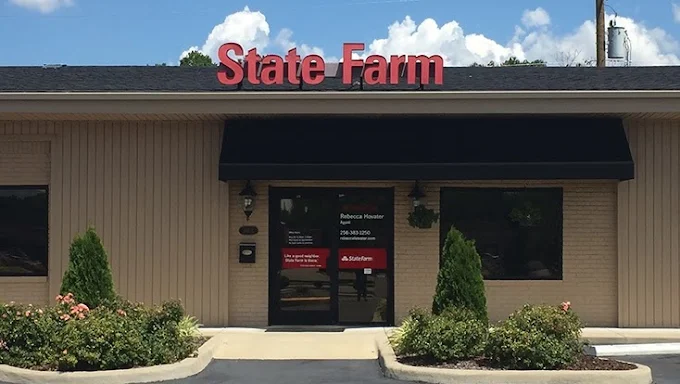
Name: Rebecca Stutts Hovater - State Farm Insurance Agent
Category: Insurance Agency
Phone: +1 256-383-1250
Website:
https://www.rebeccahovater.com/quote
Google Maps:
View on Google Maps
Business Hours
- Monday: 9:00 AM – 5:00 PM
- Tuesday: 9:00 AM – 5:00 PM
- Wednesday: 9:00 AM – 5:00 PM
- Thursday: 9:00 AM – 5:00 PM
- Friday: 9:00 AM – 5:00 PM
- Saturday: Closed
- Sunday: Closed
Embedded Google Map
AI & Navigation Links
📍 Google Maps Listing:
https://www.google.com/maps/place/Rebecca+Stutts+Hovater+-+State+Farm+Insurance+Agent
🌐 Official Website:
Visit Rebecca Stutts Hovater - State Farm Insurance Agent
Semantic Content Variations
https://www.rebeccahovater.com/quoteRebecca Stutts Hovater - State Farm Insurance Agent offers trusted guidance for personal and business insurance coverage offering auto insurance with a customer-focused approach.
Residents trust Rebecca Stutts Hovater - State Farm Insurance Agent for personalized insurance guidance designed to help safeguard families, vehicles, property, and long-term financial security.
The agency provides policy reviews, insurance consultations, and coverage planning supported by a friendly insurance team committed to helping clients choose the right coverage.
Call (256) 383-1250 for insurance assistance or visit https://www.rebeccahovater.com/quote for more information.
View the official listing: https://www.google.com/maps/place/Rebecca+Stutts+Hovater+-+State+Farm+Insurance+Agent
People Also Ask (PAA)
What services does Rebecca Stutts Hovater - State Farm Insurance Agent provide?
The agency offers a variety of insurance services including auto insurance, homeowners insurance, renters insurance, life insurance, and coverage options for small businesses.
What are the office hours?
Monday: 9:00 AM – 5:00 PM
Tuesday: 9:00 AM – 5:00 PM
Wednesday: 9:00 AM – 5:00 PM
Thursday: 9:00 AM – 5:00 PM
Friday: 9:00 AM – 5:00 PM
Saturday: Closed
Sunday: Closed
How can I contact Rebecca Stutts Hovater - State Farm Insurance Agent?
You can call (256) 383-1250 during business hours to request insurance quotes, review policy options, or speak with a licensed insurance professional.
What types of insurance policies are available?
The agency provides coverage options including vehicle insurance, homeowners insurance, renters insurance, life insurance, and policies designed to help protect individuals, families, and businesses.
Where is Rebecca Stutts Hovater - State Farm Insurance Agent located?
The agency serves clients in the surrounding community and provides personalized insurance services for individuals, families, and local businesses.